If you’ve been shopping for floors lately, you’ve probably run into two terms over and over: engineered hardwood and LVP (luxury vinyl plank). Both can look convincingly like real maple wood. Both are widely available at big-box stores and online retailers. And both occupy overlapping price ranges, which makes the choice genuinely confusing. Engineered hardwood is made from a thin slice of real wood bonded to a plywood core — so it is actual wood, just not all the way through. LVP is a synthetic product: layers of vinyl with a photographic film on top that mimics wood grain, protected by a clear wear layer. Neither is a cheap shortcut anymore. The question isn’t which one is “better” in some abstract sense — it’s which one is better for your room, your budget, and the next decade of your life.
This article walks you through the trade-offs that actually move the needle: upfront cost, long-term durability, moisture tolerance, refinishability, and how each product handles maple’s specific aesthetic challenges — including that blotchy, UV-yellowing quirk that trips up a lot of buyers. By the end, you’ll have a clear decision rule you can apply to your specific situation.
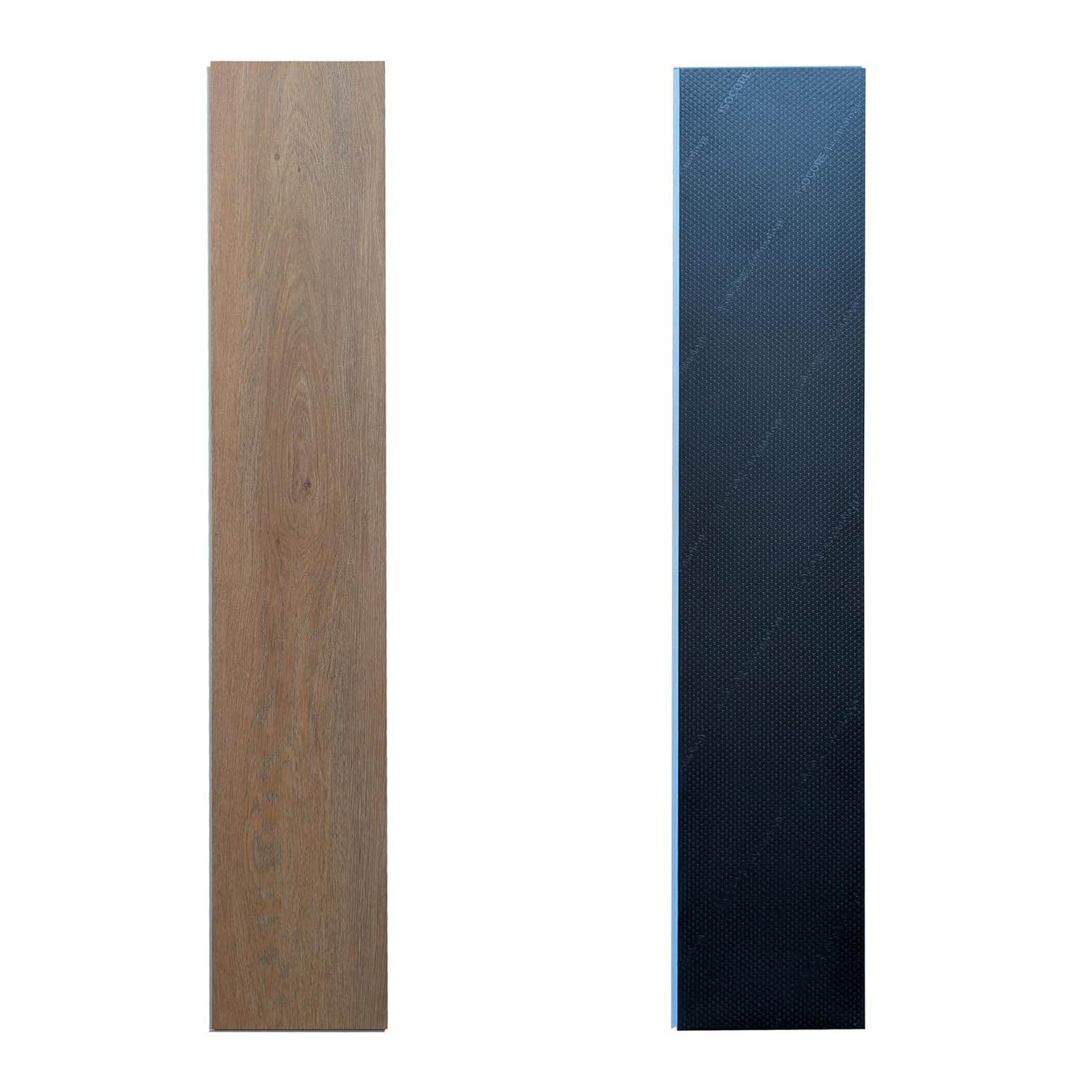
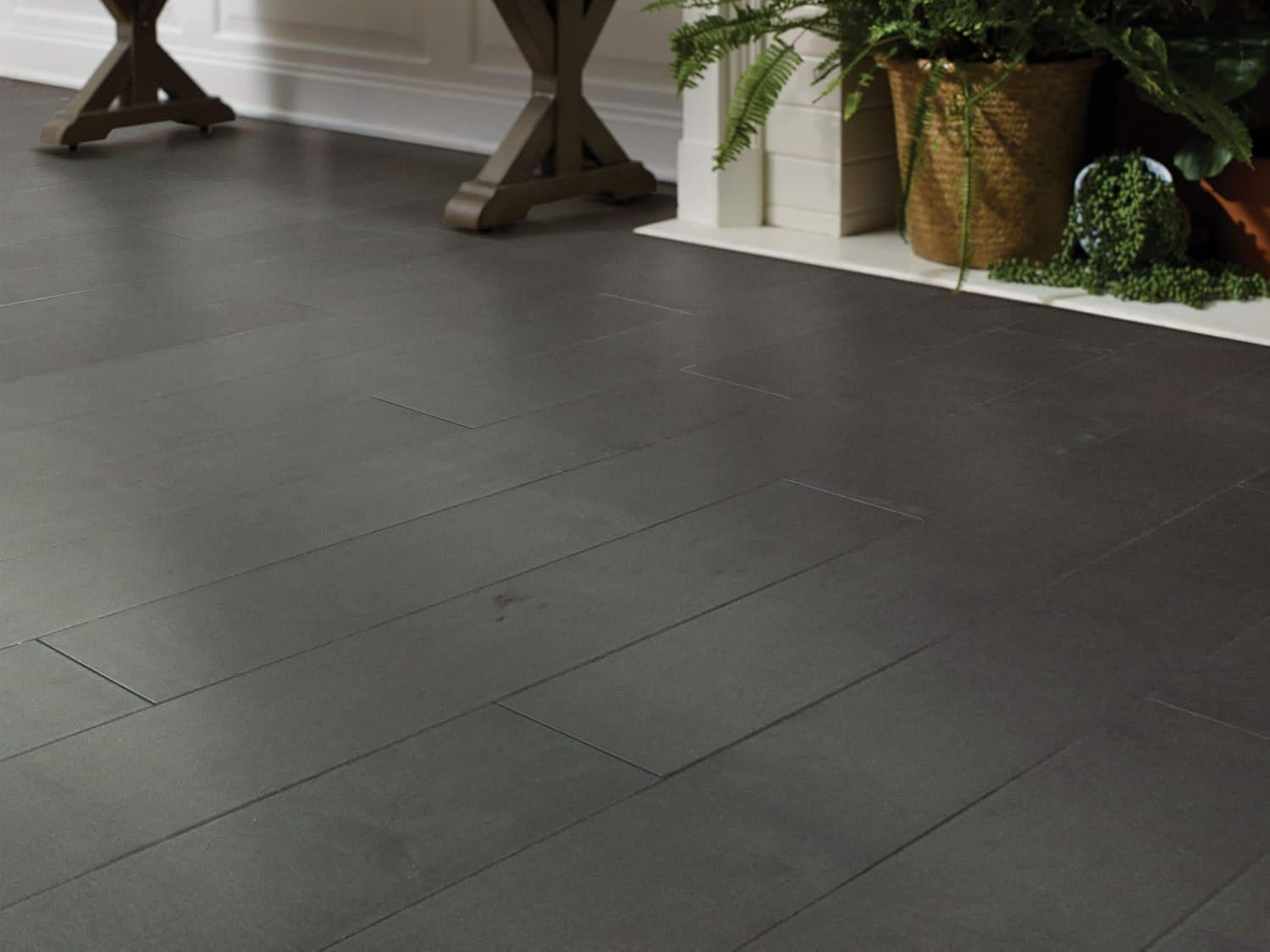
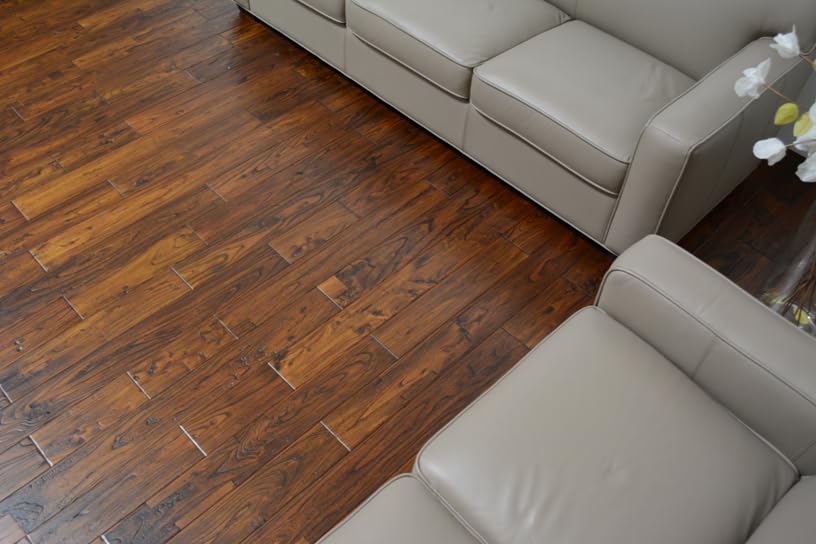
| EDITOR'S PICK[57336 CFA Engineered Hardwood F…](https://www.amazon.com/dp/B0CLMYTJS1?tag=greenflower20-20) | Mid-tierShaw SW697 Eclectic Maple 5" Wi… | Budget pick[Allure Wide Plank Luxury Vinyl…](https://www.amazon.com/dp/B0FWD97YW4?tag=greenflower20-20) | |
|---|---|---|---|
| Material | Engineered hardwood | Engineered hardwood | Luxury vinyl plank |
| Width | 5" | 5" | 9" |
| Thickness | 1/2" | — | 7mm |
| Veneer thickness | 3mm | — | — |
| Finish | — | ScufResist Platinum | — |
| Price | $155.00 | $110.44 | $73.99 |
| See on Amazon → | See on Amazon → | See on Amazon → |
The Cost Picture: Where the Numbers Actually Land
Let’s anchor to current market pricing before going any further, because the range inside each category is wide enough to cause real confusion.
Current market rates (materials only, early 2026):
| Product tier | Engineered maple | LVP (maple-look) |
|---|---|---|
| Entry | $2.50–$4.50/sq ft | $1.80–$3.50/sq ft |
| Mid-range | $5.00–$9.00/sq ft | $3.50–$6.00/sq ft |
| Premium | $10–$18+/sq ft | $6–$10/sq ft |
| Installed (add labor + underlayment) | +$3–$6/sq ft typical | +$2–$4/sq ft typical |
LVP’s lower installation cost is partly because most products float without glue or nail-down, reducing skilled-labor hours. Engineered hardwood can also float, but higher-end wide-plank engineered installations increasingly require glue-down, which adds cost and complexity. As Bob Vila’s published comparison of engineered hardwood and LVP notes, the total installed cost gap between mid-range products in each category is narrower than the raw materials gap suggests — once you account for underlayment, transitions, and labor, expect roughly a 15–25% total cost premium for engineered at comparable quality tiers, not the dramatic price cliff that marketing sometimes implies.
The honest implication: if budget is the primary driver and you’re flooring a basement, rental unit, or high-traffic mudroom, LVP’s lower installed cost is real and meaningful. If you’re doing a main-level open plan in a home you intend to own for 15 or more years, the cost gap compresses enough that it shouldn’t be the deciding factor on its own.
Durability and Wear: What the Specs Say vs. What Owners Report
This is where marketing language gets slippery, so let’s separate the claims from the lived experience.
### Budget tier: LVP and entry-level engineered
LVP’s wear layer is measured in mils (thousandths of an inch). Residential-grade products typically run 6–12 mil; commercial-grade runs 20 mil and up. The Spruce’s published review of luxury vinyl plank flooring notes that 12-mil residential products from major brands carry warranties of 15–25 years under normal use. The consistent pattern across owner feedback on platforms like Houzz is that LVP holds up well to pets, kids, and dropped objects — but shows scratching and surface dulling in high-traffic areas after 8–12 years, particularly at lower mil thicknesses. The wear layer cannot be sanded or refinished; once it’s gone, the floor is done.
Entry-tier engineered maple, at this price band, typically features a veneer of around 1–1.5mm. That’s thin enough that refinishing is not a realistic option. At this tier, LVP’s waterproofing and scratch resistance make it the more defensible choice for most households.
Allure
$73.99
In stock on Amazon
Check price on Amazon### Mid-range tier: where the lifecycle math starts to diverge
Engineered hardwood’s durability story becomes more compelling at the mid tier. The top veneer — the real-wood layer you see and walk on — ranges from about 2mm to 4mm in mid-range products. The National Wood Flooring Association’s Hardwood Flooring Installation Guidelines and Methods (2024 edition, available through woodfloors.org) notes that veneers of 2mm or more can typically be lightly sanded and refinished once; 4mm-plus veneers can handle two refinishing cycles under careful conditions. This refinishability is the defining long-term advantage of engineered wood: it can be brought back.
Lauzon Flooring’s published product spec sheets for their Pure Genius Maple line specify a 3mm top layer with an aluminum-oxide finish rated at AC4 (commercial light traffic) — an independently verified durability claim under European floor durability standards rather than manufacturer self-reporting alone. That spec is representative of what serious mid-range engineered maple delivers.
In years 0–10, a quality LVP and a quality engineered maple floor will look nearly identical in most homes. The divergence happens at years 10–20, when the engineered floor can be sanded and refinished back to life, and the LVP cannot. If you’re flooring a forever home, that lifecycle math matters. If you’re flooring a rental or plan to sell in under a decade, it probably doesn’t.
Shaw
$110.44
In stock on Amazon
Check price on Amazon### Premium tier: authentic materials and the long-term investment case
At the premium tier — wide-plank engineered maple from specialty manufacturers at $10–18 per square foot in materials — the case for real wood consolidates. Veneers of 4–6mm are common, enabling multiple refinishing cycles over a 30–40 year lifespan. The tactile warmth, acoustic density, and material authenticity of a premium engineered maple floor are perceptible differences that show up in resale appraisals for design-forward homes.
Premium LVP products in the $6–10 per square foot range offer real durability improvements — 20-mil wear layers, rigid-core SPC construction, and better acoustic underlayment — but they still cannot be refinished, and their photographic surfaces will eventually read as synthetic to a trained eye at raking light angles. Architectural Digest’s coverage of the engineered hardwood category makes this point explicitly: in premium installations where every other finish material is authentic, LVP as a maple substitute reads as a compromise to clients who are paying to avoid compromises.
57336
$155.00
In stock on Amazon
Check price on AmazonMoisture and Subfloor Reality: The Decision That Drives Most Choices
Here’s where a lot of buyers make the wrong call by oversimplifying.
The conventional wisdom is “LVP for wet areas, hardwood for dry areas.” That’s mostly right, but it flattens important nuance. This Old House’s published comparison of LVP vs. hardwood flooring makes a critical distinction: LVP is 100% waterproof at the plank level, but standing water that gets under the floor through gaps, seams, or subfloor penetrations can still cause mold and subfloor damage. LVP doesn’t absorb water — it can trap it. Floating installations are particularly vulnerable if the subfloor isn’t well-sealed.
Engineered hardwood, meanwhile, is meaningfully more moisture-tolerant than solid hardwood because the cross-ply plywood core resists cupping and warping more effectively than a solid board. The NWFA’s Installation Guidelines and Methods specify that engineered hardwood can be installed in above-grade and on-grade applications with appropriate vapor barriers; below-grade installations (basements) remain a caution zone, though some glue-down engineered products carry manufacturer approval for below-grade use. Floating engineered installations in kitchens are increasingly common, though any standing-water events — dishwasher leaks, sink overflows — require rapid response.
Decision rule on moisture: If you’re doing a basement, bathroom, laundry room, or any space with genuine water-event risk, LVP is the rational choice. Choose a 12-mil or higher wear layer. For main-level kitchens, mudrooms, and entryways in climates with moderate humidity swings, quality engineered hardwood is viable — but you need to be honest about your household’s habits. Families with large dogs or kids who track in snow and wet boots are better served by LVP in those transition zones even if the rest of the home is engineered.
The Maple Aesthetic Problem: Why This Comparison Is Harder Than Oak
Maple deserves its own section because its specific visual properties change the comparison calculus in ways that aren’t obvious when you’re staring at samples under a showroom light.
Real maple — both engineered and solid — has a notoriously tight, uniform grain with subtle figure. This is part of its appeal: it reads as clean, contemporary, Scandinavian-influenced. But it’s also why maple blotches badly with pigmented stains. If you want a gray-washed or dark-toned maple floor, you’ll fight the wood’s natural resistance to absorbing stain evenly. Most designers who want that look on real maple use reactive stains or UV-oil finishes rather than traditional oil-based stains. Architectural Digest’s coverage of engineered hardwood notes this explicitly: maple is typically specified either in its natural or light-honey tones, or with a wire-brushed texture that adds visual depth without relying on stain penetration.
The second issue is UV yellowing. Maple’s natural color shifts toward amber-yellow with sustained sun exposure — faster than white oak, slower than cherry, but meaningfully more than LVP. If your space has strong directional sunlight and you’re not committed to rotating area rugs or applying UV-filtering window film, this matters over a 10–15 year horizon.
This is where LVP’s photographic wear layer actually plays to its advantage on the maple look specifically: the printed grain layer doesn’t yellow with UV exposure, and manufacturers can reproduce the tight, clean maple aesthetic without any of the blotching or color-shift risk. The Spruce’s LVP category reviews consistently highlight light-maple and blonde-ash colorways as top sellers precisely because they deliver a look that real maple makes difficult to maintain long-term in sun-heavy rooms.
The counter-argument: buyers who value material authenticity — the way engineered maple ages, the tactile warmth underfoot, the acoustic difference, the ability to refinish — will find that LVP’s printed surface eventually reads as synthetic in premium-tier spaces. Custom-home builders and interior designers sourcing for design-forward clients consistently report that the visual “flatness” of a printed wear layer becomes apparent at raking light angles and in installations where every other surface material is authentic.
Putting It Together: The Decision Rules
By now you have the variables. Here’s how to stack them.
If your primary concern is moisture, budget, or a below-grade installation: LVP wins straightforwardly. Choose a 12-mil or higher wear layer from a brand with a published residential warranty of 20 or more years. Don’t let the lower price point tempt you into 6-mil products in anything but a low-traffic guest space.
If you’re doing a main-level renovation in a home you plan to own for 15 or more years, with normal household moisture exposure: Engineered hardwood is the better long-term investment, particularly at the mid-range tier where you’re getting a real veneer of 2–3mm or more. The refinishability advantage compounds over time in a way that matters at resale and at the 12–15 year mark when the floor starts showing wear.
If you want the light-maple look in a sun-heavy room and you’re not attached to real wood: LVP is the pragmatically honest answer. It will hold its color better than real maple under sustained UV, and the visual difference in a casual-use space is minimal for the first decade.
If you’re specifying for a premium or designer-tier installation: Don’t spec LVP as a maple substitute in a space where authentic materials are a design requirement. Invest in premium engineered maple at the $8–12 per square foot materials tier, use a wire-brushed or UV-oil finish to sidestep the blotching issue, and apply UV-filtering film to south- and west-facing windows.
The floor you choose is a 15–20 year decision in most cases. Running the math on a $1.50–2.00 per square foot material cost difference over a 500–800 square foot installation typically works out to less than $1,500 — a small number relative to the labor, subfloor prep, and trim work you’re already committing to. Let the room’s actual conditions and your ownership timeline drive the call, not the sticker price on the sample board.